
4.
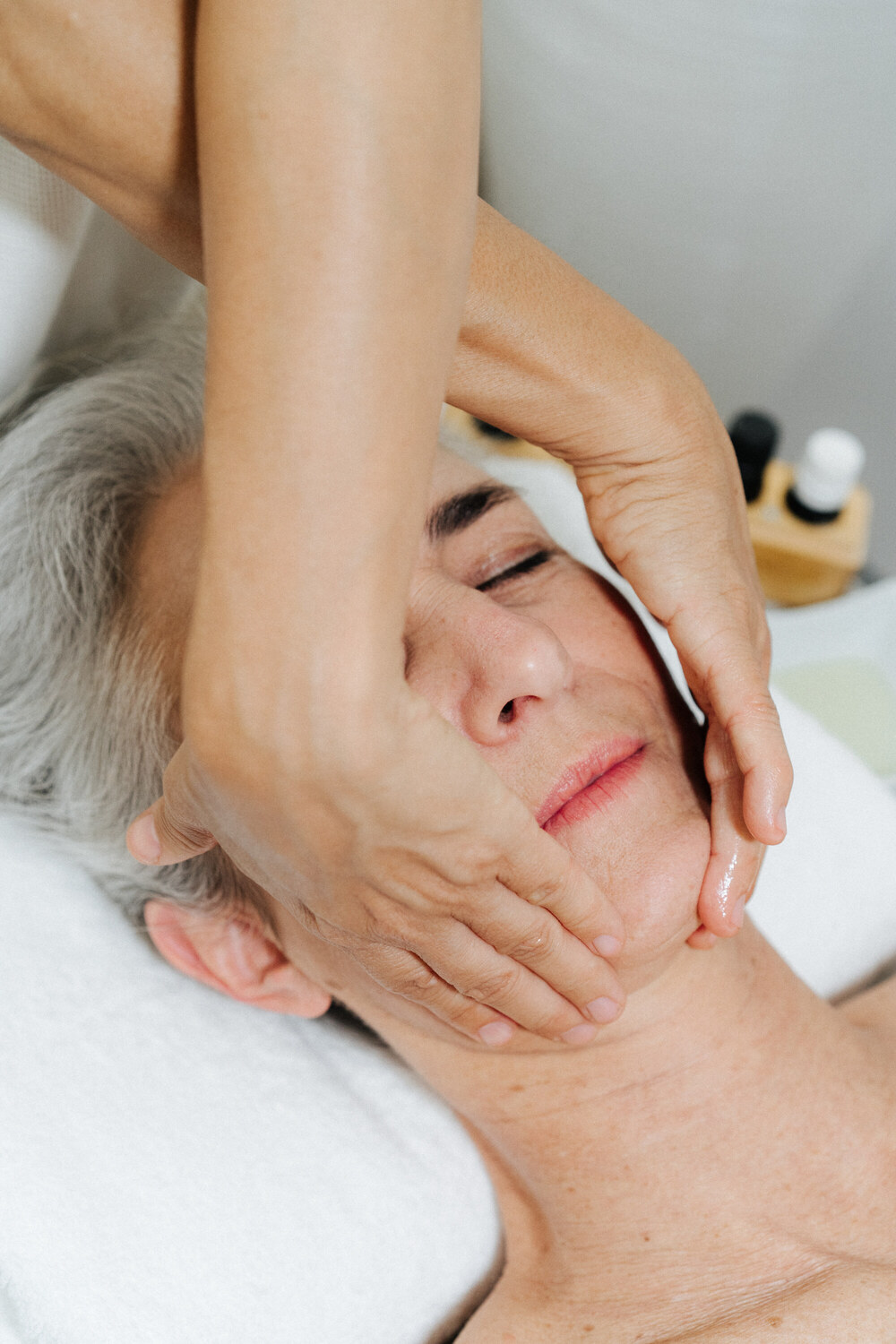
Kobido
It improves and hydrates skin appearance, releases muscle tensions and fights stress and anxiety. Since its origins, this millennial beauty technique has been one of the most precious in the search for well-being. For Dr. R. Stone, health was not only a matter of good physical condition, but: “The result of the soul finding free expression through mind and body.”.
A good skin is synonymous with hydration, care, genetics and, above all, health. Maintaining a healthy mind is directly proportional to maintaining a healthy physical appearance. And in circumstances where stress and anxiety are increasing, it is essential to seek therapies and alternatives that balance body, mind and spirit to achieve, in equal parts and with full stability, physical and mental well-being.
As early as the 14th century, samurai returning from the battle helped with these practices to relax the mind, increase their strength and calm their spirit. One of the favorite techniques of these warriors was also Japan’s oldest treatment, Kobido. This facial massage, which dates back to 1472, became years later the favorite therapy of Japanese emperatrices, first as a therapeutic way to relieve pain and later also as a predilect technique to look a beautiful face, free of imperfections and more rejuvenated.
Kobido, known as the Japanese facial lift without surgery, both for its aesthetic benefits, such as toning, illuminating, oxygenating and renewing skin cells, as therapeutic, among them, relieves stress, insomnia, migraines and bruxism, has crossed the eastern borders.
Happy clients
“Being in Patricia’s hands is like magic, it has helped me a lot to solve some health problems that conventional doctors could not.
Philippa Huges
I’m super grateful. She has very good hands. “
“Patricia is really an expert in her field. I’ve felt very regenerated after starting with acupuncture and polarity therapy. Very recommended.”
Christian Ahler
“I was going straight to the O.R. to be operated on a dismal hernia. In a short time with Patricia, I’m out of pain.”
M. J. Rubio